
“Visualising Affect Using Virtual Reality”
by Polly Card & Michelle Ruiz | Xchanges 12.2/13.1
Experiencing the World From A New Perspective: Using Virtual Reality to Create Critically Conscious Teachers
Virtual Reality (VR) is the use of computer technology to create a simulated environment. Unlike traditional user interfaces, VR places the user inside an experience. Instead of viewing a screen in front of them, users are immersed and able to interact with 3D worlds. To experience VR you need a headset designed for the purpose. As the name suggests, 360 videos in particular are panoramic — they are panoramic videos that have been stitched together, so you can turn your head to look around you in every direction, but you do not interact with the environment as such. You can view 360 on headsets such as Google Cardboard, Daydream View, Samsung Gear VR, Oculus Rift and HTC Vive.
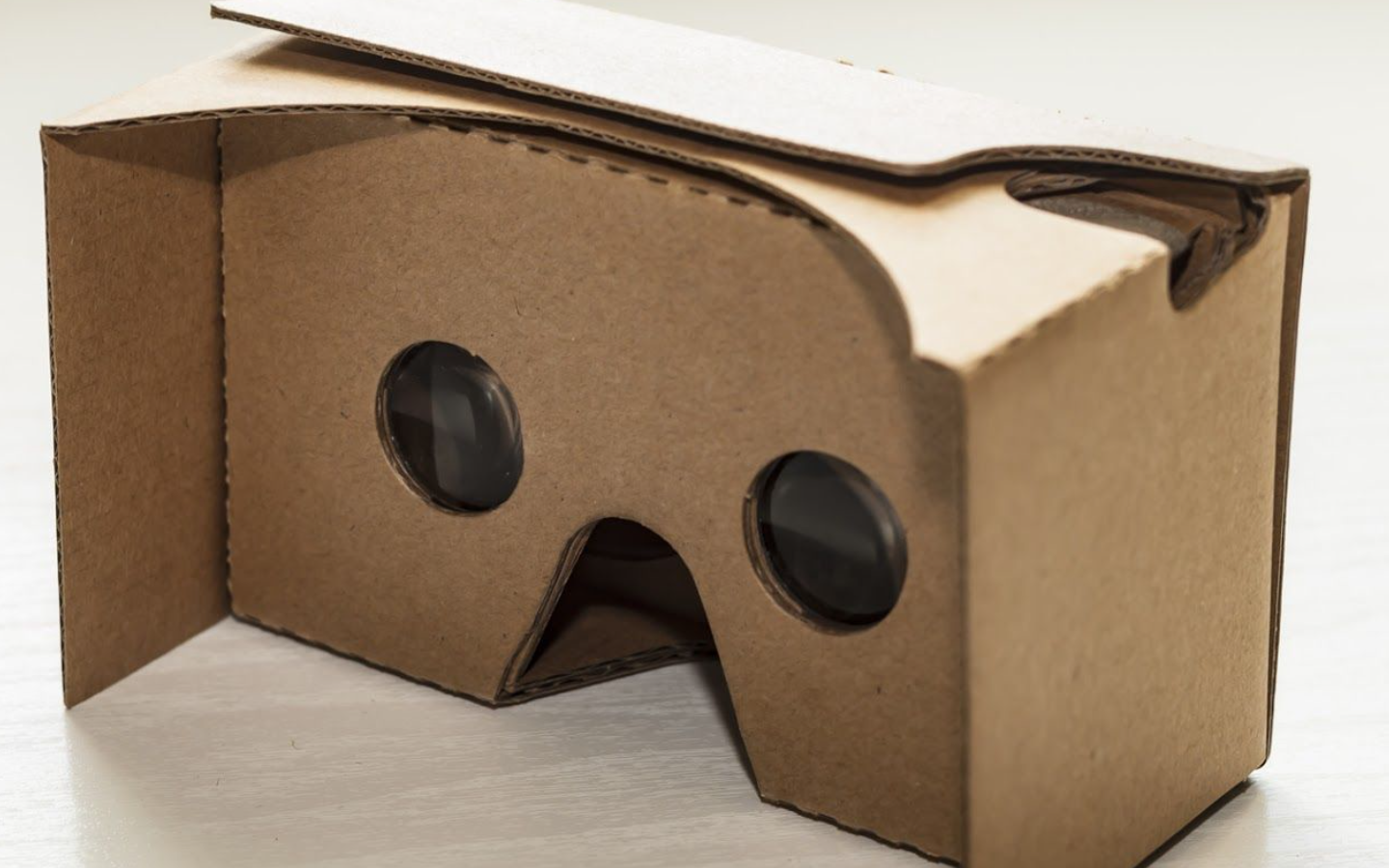
“Virtual reality connects humans to other humans in a profound way I’ve never before seen in any other form of media, and it can change people’s perception of each other.”
— Chris Milk, TED Talk
As VR creator Chris Milk suggests, there is increasing evidence that VR can be more effective than other media in evoking empathy and because of its potential to have a deep effect on behaviour, it is a useful tool for professional development. In our 360 film the participant examines the student’s everyday life, a process that requires curiosity and openness from the participant. Through the machine, you are taken into the kitchen with Tia as she prepares coffee before dawn, you wait in line to cross the border, and get shouted at by an armed border guard. This “day in the life” experience is overlaid with the graphic representation of the machine’s operation as it scans the scene to identify different ideological and factual elements within the 360 environment.
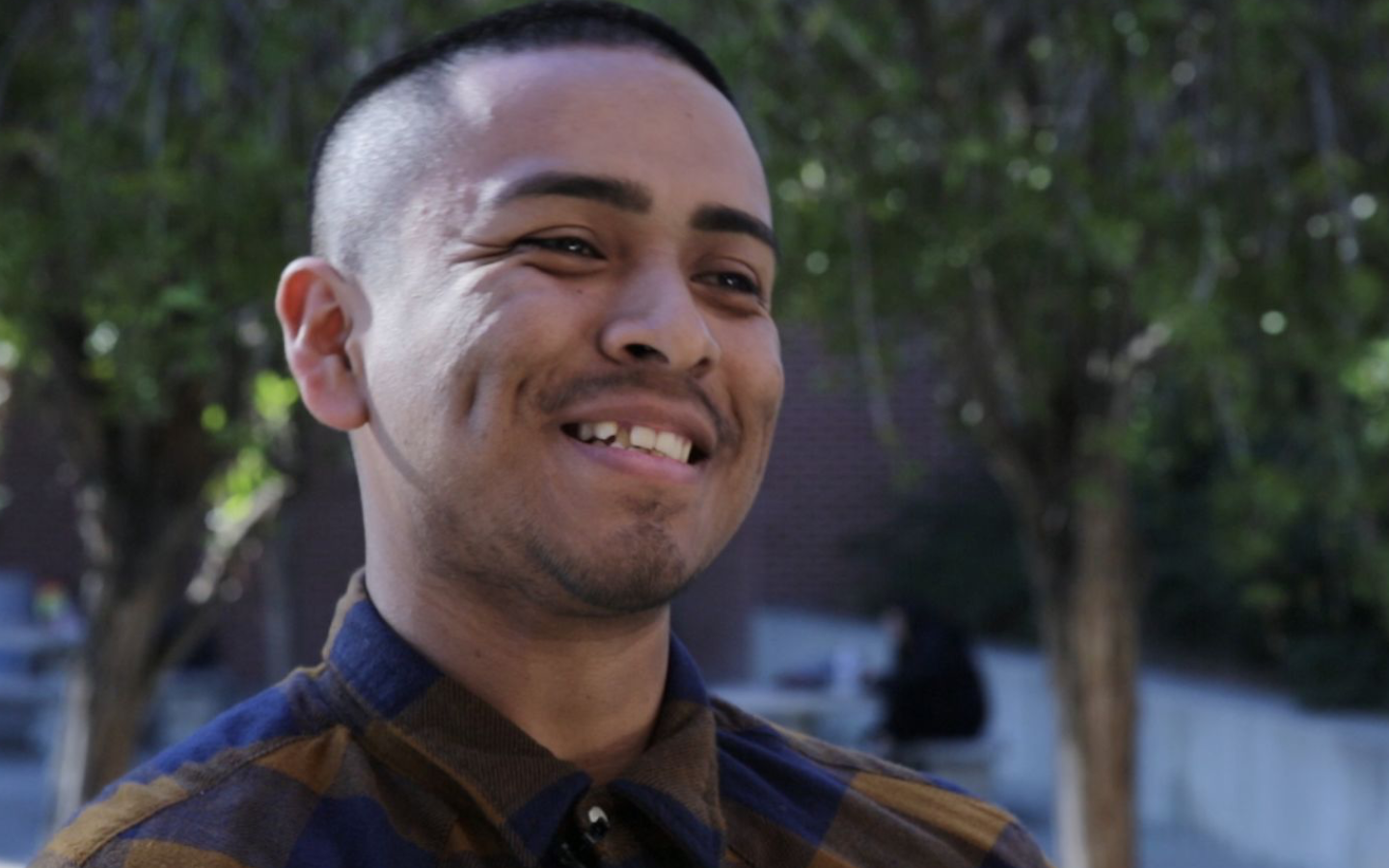
Through the machine’s graphics, and 360 narrative, the participants are actively called on and encouraged to examine specific environmental factors, to question, think critically, and to compare and contrast our explanations of the existing social order with those propagated by the “dominant society” (Bartolomé, 2002). The film’s narrative was based on preliminary interviews. In these conversations we learned that creating a counter narrative was important to the students. For example, Marcos stressed that taken-for-granted assumptions about masculinity and deficit narrative and stereotypes often associated with Latino males shaped his experience, were harmful, and untrue.
Our hope is that through this event, the physical act of experiencing the film, audiences may come to better understand students’ perspectives. Participants are a part of the scene; they wait at the border crossing to be scanned, checked over, and assessed. They feel the violent presence of the authorities and are called on to acknowledge the tedium, the risk, and the effort. The intent of the ICM is to affect participants beyond the 360 event. We want them to take their experience back to their schools and exhibit a commitment to supporting community college TELLMs.
The ICM design was inspired by research findings, statistical data, and a series of interviews with TELLMs who attend community college. We then explored participant attitudes towards the ICM to inform the design of a tool for reflection. This was gathered through a convenience sampling of educators preparing to work with TELLMs at San Diego State University and attendees of the Dual Language and English Learner Conference in Spring 2017. The participants were surveyed and interviewed in order to determine the extent to which the interactive video affected their beliefs and ideologies and helped them to better understand student experiences.