
“Rhetorical Web Design: Thinking Critically about Ready-Made Web Templates and the Problem of Ease”
by Jason Tham | Xchanges 12.1
Analysis of a Template: WordPress.com, Cont.
Because the template remains static and is the same for every user who chooses this design, the interface fades into the background and users are only able to enact and understand identities through limited representation of themselves, rather than a tightly controlled depiction. In my case, I was what my template allowed me to be. Other users, when attempting to construct their own pages using the template theme, face similar restrictions. Figures 5 and 6 show two examples of Responsive Theme used for commercial purposes.
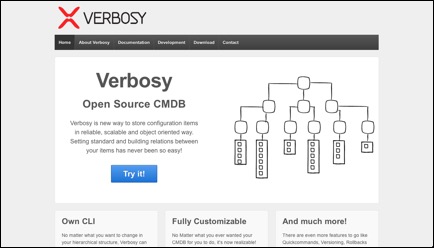
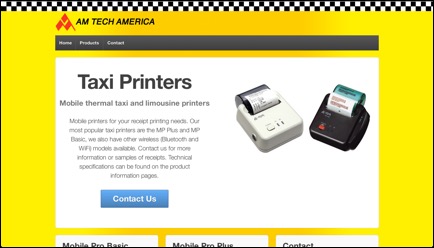
The main wireframe of the theme remains the unchangeable anatomy of these websites even though their designers have tried to “personalize” the respective pages by changing the pages’ background and landing page image. The typography, font size, and even text alignment on these websites remain identical and inalterable. Needless to say, this causes a lack of originality and personality in these commercial pages.
Underneath the skin of the template, I am also locked into the authoring and publishing conventions predetermined by WordPress. The publishing dashboard prompts the web designer to provide a title for each parent page, otherwise the main menu bar would be incomplete. Further, since WordPress relies quite heavily on plugins1 to extend its features, a ready-made template like Responsive Theme requires plugins that are compatible with the theme in order for them to work. All of the limitations sketched here are merely scratching the surface of the problems with template-driven web design.
[1] Plugins are ways to extend and add to the functionality that already exists in WordPress. They offer custom functions and features so that each user can tailor their site to their specific needs.