
“Words or Visuals: Which Speaks Louder?”
by Jennifer Heater | Xchanges 8.2
C. S. Peirce’s Three Rhetorical Goals of Typology
The first typology goal is decorative and it evokes feelings from the reader. The uses of fonts, color, type, and placement are a few examples of types of decorative goals. Allen addresses this point by stating, “Information can be included but, in effect, concealed by its placement in a document, as well as by the type of graphic used to display it, or by the visual impression created by the whole” (96). Using too much color or variations in font can distract the reader from the message of the document. It is important for technical communicators to remember to try to reach the goal intended for the article by choosing and placing visual media that compliments the article and avoids distracting elements.
Peirce identifies the second rhetorical goal as the indicative goals. Indicative goals provoke action. Indicative goals in a document will guide the reader to actions that help the reader see the key information on the document. Manning and Amare give an example of provoking action: “Besides the common overuse of decorative in PowerPoint… the PowerPoint program itself is constructed to automatically bullet text and then to easily animate those bullets. The audience is moved to follow bits of text as they buzz around the screen” (200). When a reader is guided through a document, step by step, the reader may miss information needed to comprehend the message of the article. Michael Alley and Kathryn A. Neeley caution that “There is a strong tendency for the slides to become the message rather than a means to enrich the message” (418).
The third rhetorical goal according to Peirce is the informative goal. Informative goals can be proven true or false by rational reasoning or experiments. Tables, graphs, and charts are examples of informative representations (Manning and Amare 200). Manning and Amare point out the ethical concern with the three typology goals by stating, “Ethical concerns can arise when decorative or indicative elements begin to interfere with the informative purpose of a visual” (195).
Visual Semiotics
Persuasive tactics can be used to sway a reader’s interpretation of an image. Sam Dragga and Dan Voss remind technical communicators that “ethical visuals must be as humanistic as ethical words” (266). Claire Harrison cautions that “An image is not the result of a singular, isolated, creative activity, but is itself a social process” (47). Semiotics is defined by Harrison as a “study of signs. For a sign to exist there must be meaning or content (the signified) manifested through some form of expression or representation (the sign)” (46).
Allen suggests that selection, emphasis, and framing play a role in how an image is perceived by the reader: “In the past as well as in the present, visual presentation, or, more properly, representation, of the physical world have been adjusted and controlled in various ways that affect what viewers see” (88).
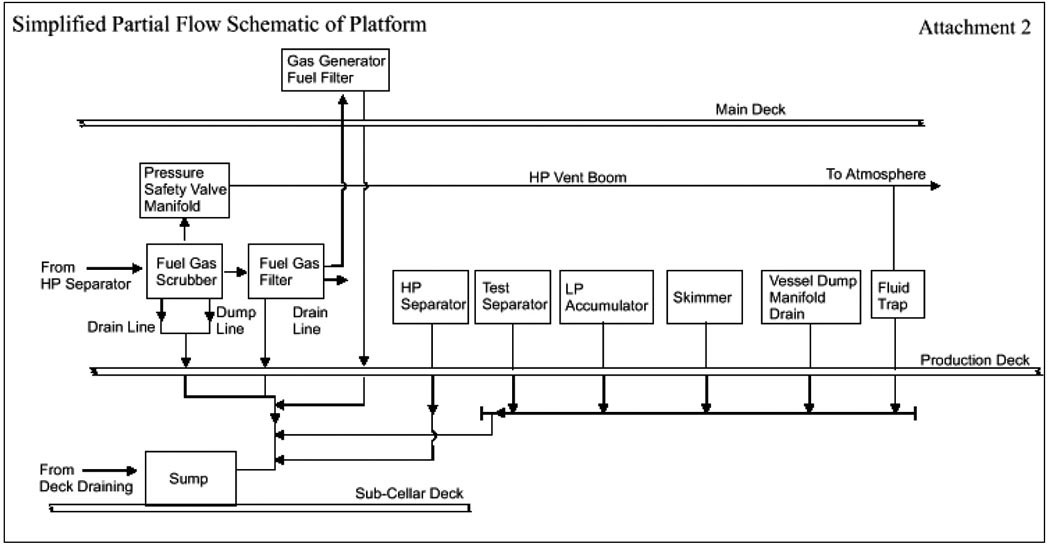
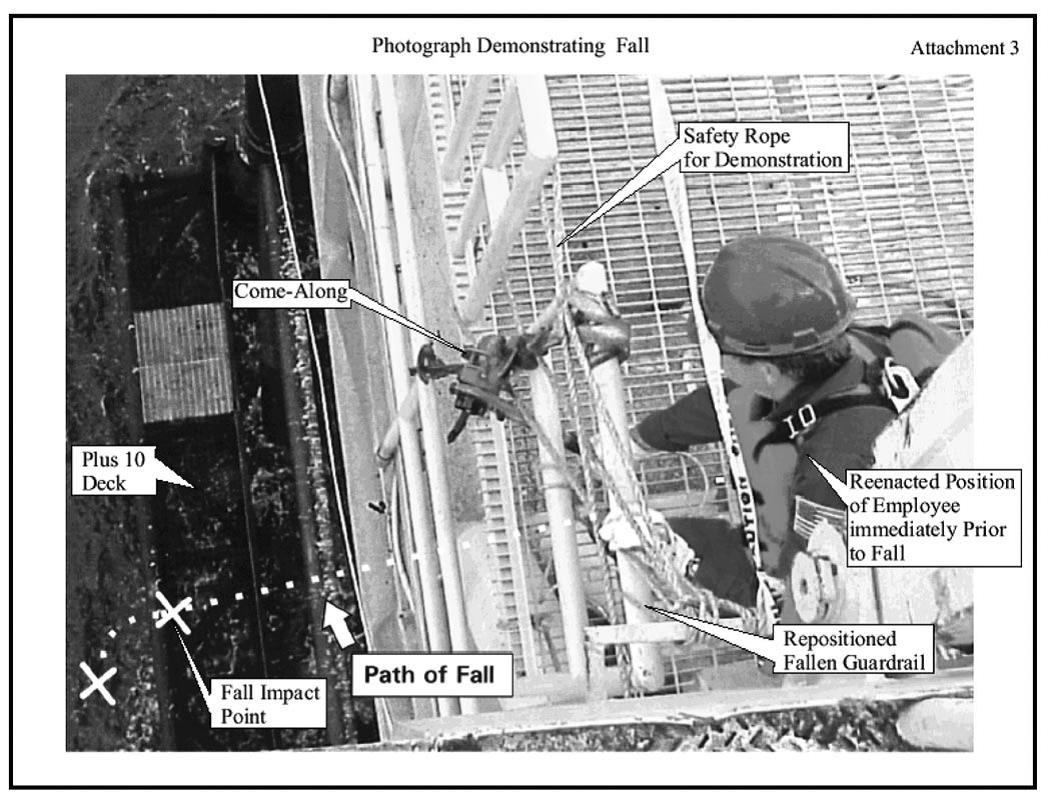
Figure 1 is a diagram from Dragga and Voss’s article that shows the effects of humanity by simply inserting a diagram in a multimodal document. This diagram represents a platform from an oil rig accident in the Gulf of Mexico. The diagram chosen excludes one very important factor — the human operators involved in the accident. Choosing this type of diagram and excluding the human lives lost can be misleading to the reader. Figure 2 shows how the impact of the image can be changed by placing a focus and value on human life. By choosing this image the writer not only gives importance to the accident itself, but they also allow the reader to see the full impact of the accident by showing the effect of human lives. Giving communicators the knowledge of visual semiotics could make a difference in the images they select and use as visual rhetoric in a document.