
“Video Social Media: A Reference for Integrating and Applying Video Social Media as a Technical Communicator”
by Danielle Rose | Xchanges 8.1
Concerns About Using VSM
There are many concerns that should be addressed when discussing VSM. This section attempts to address two of the largest concerns a technical communicator might have when attempting to use VSM sites: video creation and concerns about the audience.
1. Video Creation
The main concerns when talking about video creation are cost, time and effort, software, and hardware.
1a.) Cost
The cost of creating videos will vary depending on the purpose of the video and the type of video that is created. Cost concerns include the hardware that is required to make the video, such as a camcorder, or a voice recorder; or the software that is required to produce and put together a video, such as video editing software and screen capture software. Cost refers to not only monetary concerns, but the cost of the time and effort needed to create a video.
1b.) Time and Effort
A potential drawback to video creation is the time and effort required to make, edit, and post a video. Technical communicators interact with a large body of software, so the potential effort needed for video creation can vary depending on levels of expertise. Videos can be quickly created for small projects if the creator has the proper education in the hardware and software required. There are many new technologies that work to make video creation easier. Hardware like the “Flip” camera makes it easy to record a video and then plug in the camera to a computer for easy uploading.
1c.) Software
There are two main types of software that can be used to help create a video: video editing software and screen capture software. For both types of editing software there are free versions and versions that can be obtained for a charge. Some software will allow a free trial for a certain amount of time so a user can experiment with the software before buying it.
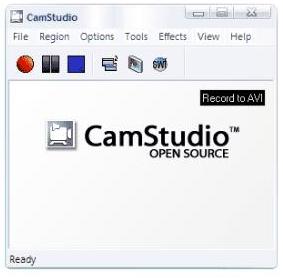
In most cases of video creation, video editing software will need to be used to create a video. It is recommended that users determine whether the software features allow slides, music, and text to be added and mixed together; or only allows for the deletion and editing of scenes from a completed video. Screen capture software is also used regularly in the technical communication field and will either capture images, or record video of actions on a computer screen.
1d.) Hardware
The most important type of hardware that will always be needed for video creation is the computer. A computer that will be used for video creation will likely need a fast processor, a large amount of physical RAM, a sizeable hard drive, and a fast internet connection. The other two main pieces of hardware that will need to be taken into consideration are a camera and a voice recorder. The type of video needed will determine if a camera or voice recorder is needed, and, if so, what type.
2. Concerns About the Audience
2a.) Who Has Access
Most VSM sites are free and accessible to people across the globe. This accessibility is a contributing factor to the popularity of VSM sites and the reason YouTube receives about “70% of [their] traffic from outside the United States” (YouTube). But because these sites are formatted to be accessible, it also makes it practically impossible to limit who has access to videos. Technical communicators need to consider what videos should remain private, and their options for privatizing videos.
2b.) Private Videos
The VSM site Vimeo.com is of particular interest to technical communicators who are concerned with the audience for particular videos. Vimeo allows for passwords to be applied to videos so that they may be made private. YouTube also offers the option to make videos private. YouTube does not password protect the video, but allows the video to be viewed only with the exact web address, removing it from YouTube’s search function.
2c.) Dealing with Feedback
The largest concern with regards to comments and feedback would be how to deal with “unwanted” feedback in the form of crude, negative, or off topic comments. Depending on the VSM site, comments can be hidden, marked as inappropriate, or deleted. There is no need to respond to unwanted, off topic comments. It is often wrong to respond to an inappropriate comment as it carries the chance of drawing more attention to that comment. Again, at present there is no “proper conduct” for responses — it is mostly a matter of responding as if the conversation was occurring face-to-face.